Closing the diagnostic gap for key health conditions in low- and middle-income countries would avert an estimated 1.1 million premature deaths every year.
Global Diagnostics Coalition
Diagnostic services are the foundation of healthcare, yet 47% of the world's population cannot access a reliable diagnosis.
Background
Diagnostic services are the foundation of healthcare, yet nearly half the world cannot access a reliable diagnosis — leading to misdirected treatments, unmanaged disease, and avoidable healthcare expenditure.
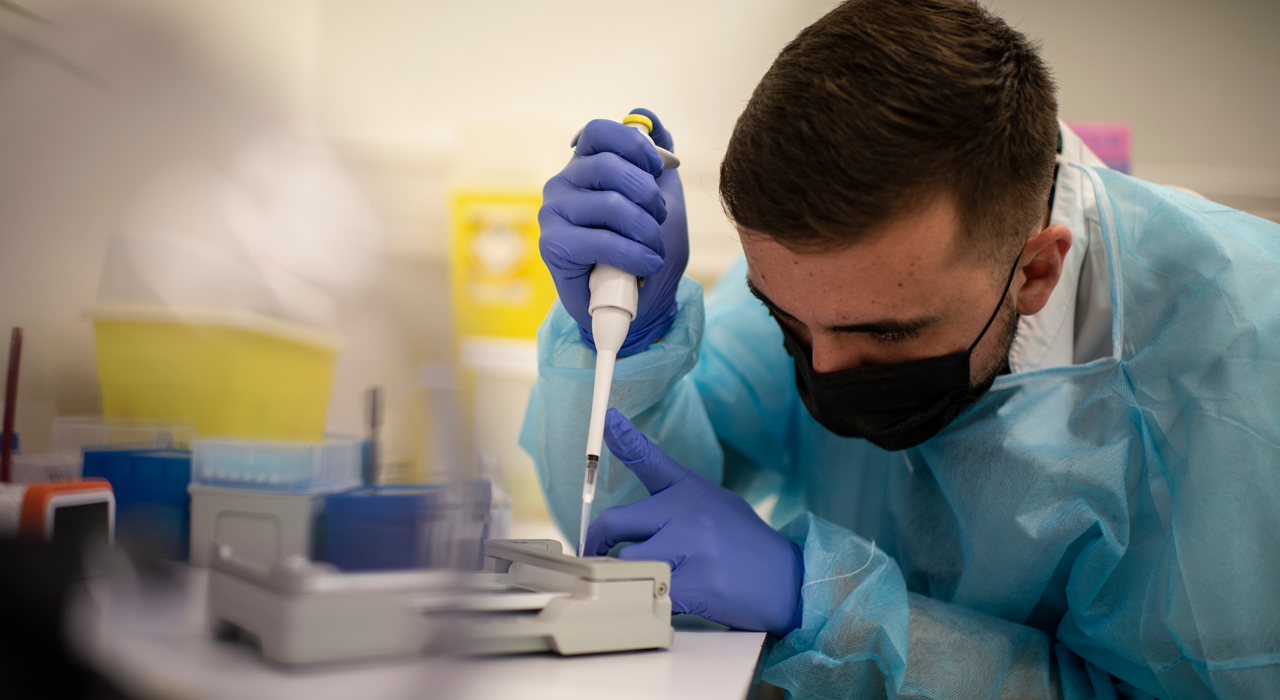
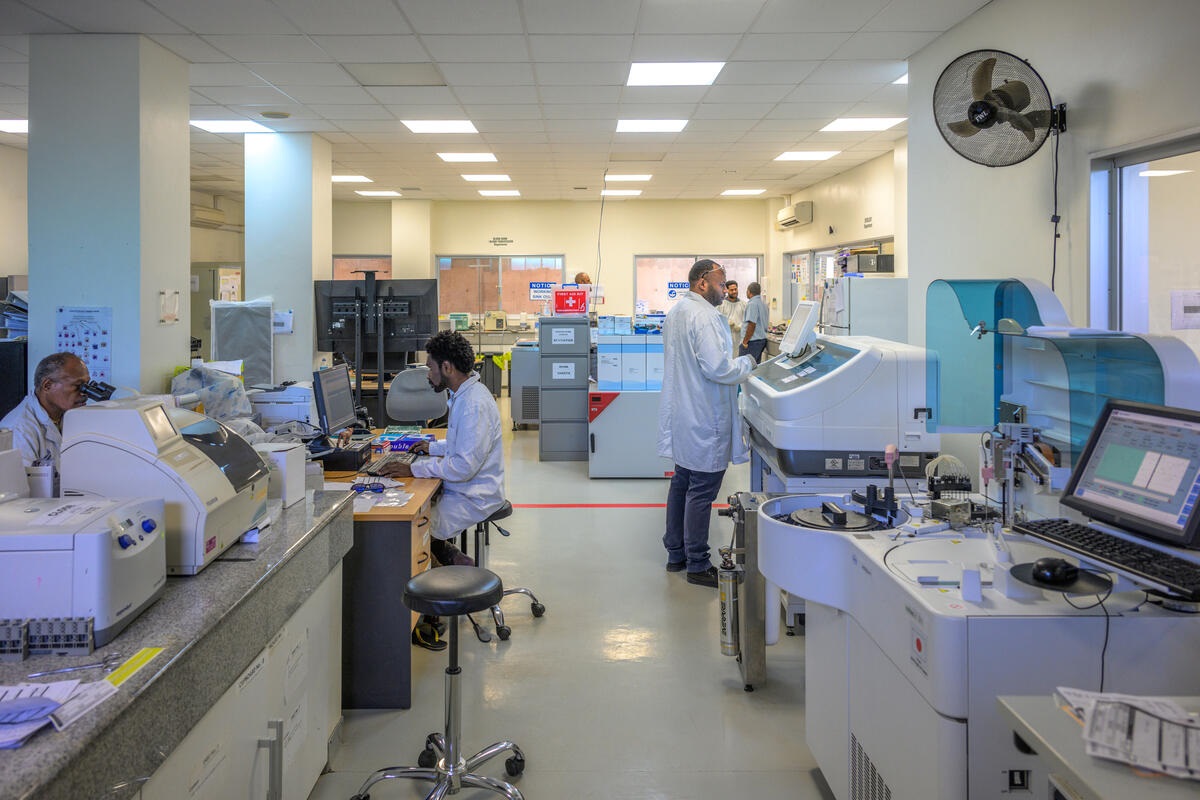
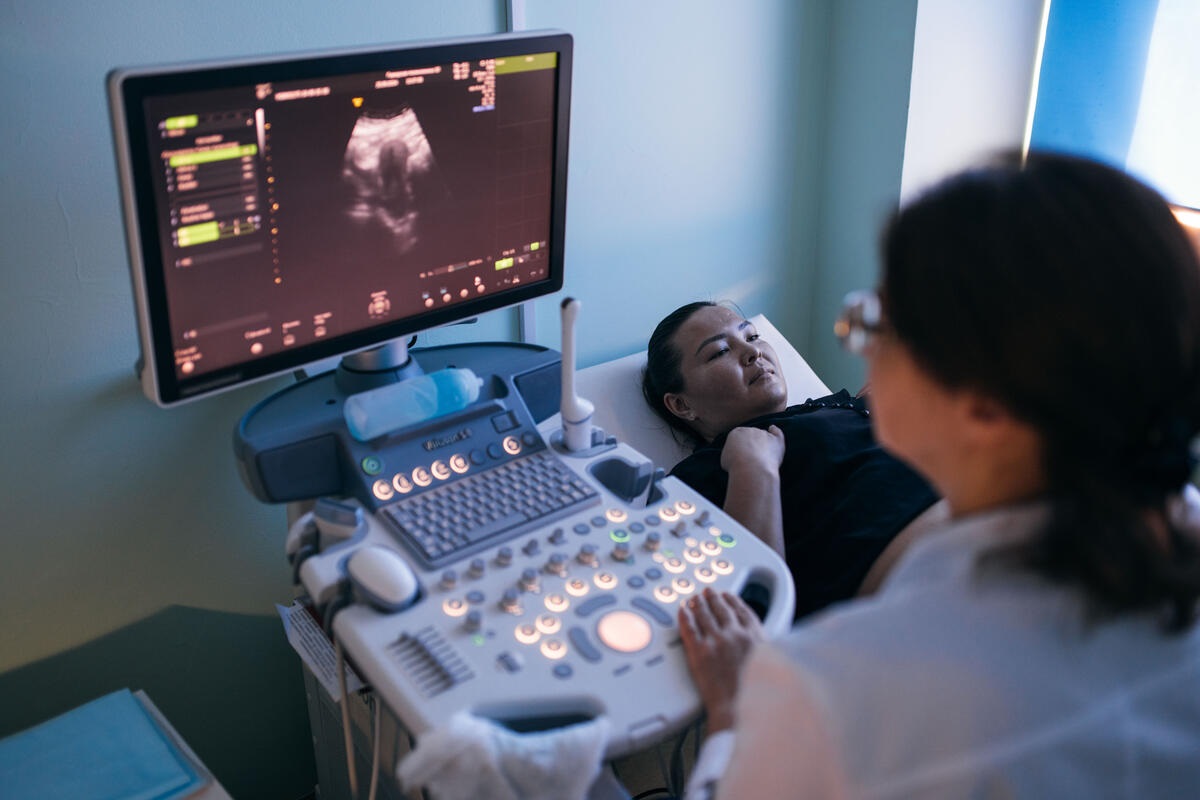
Diagnostic services are how people get answers — turning worry and symptoms into a clear diagnosis and the right next steps in care — relying on the nurses, clinicians, lab teams and radiographers who turn a question into an answer, whether through a quick test at a clinic or a specialized laboratory report, vision assessment, X-ray or ultrasound.
- An estimated 47% of the world's population have little or no access to safe, affordable, quality-assured diagnostic services.
- As many as 81% of basic primary health care services in 14 low- and middle-income countries had no access to essential diagnostic tests, excluding HIV and malaria testing.
- Low- and middle-income countries have less than 1 CT scanner per million people, compared to approximately 40 per million in high-income countries.
These gaps reflect a systemic challenge: diagnostic services are too often not treated as a core health system priority. Mobilizing increased action on diagnostics is the core focus of the Global Diagnostics Coalition.
About us

The Global Diagnostics Coalition (GDC) is a WHO-managed informal network that brings together the full diagnostics ecosystem — from governments and UN agencies to civil society, academia, professional associations, and the private sector — to align advocacy and accelerate action on diagnostics.
The GDC leverages WHO's distinctive convening power to connect actors, align messages, and sustain visibility on the barriers that keep diagnostics out of reach, complementing the work of technical and implementing partners. It was formally launched at the Seventy-eighth World Health Assembly on 21 May 2025.
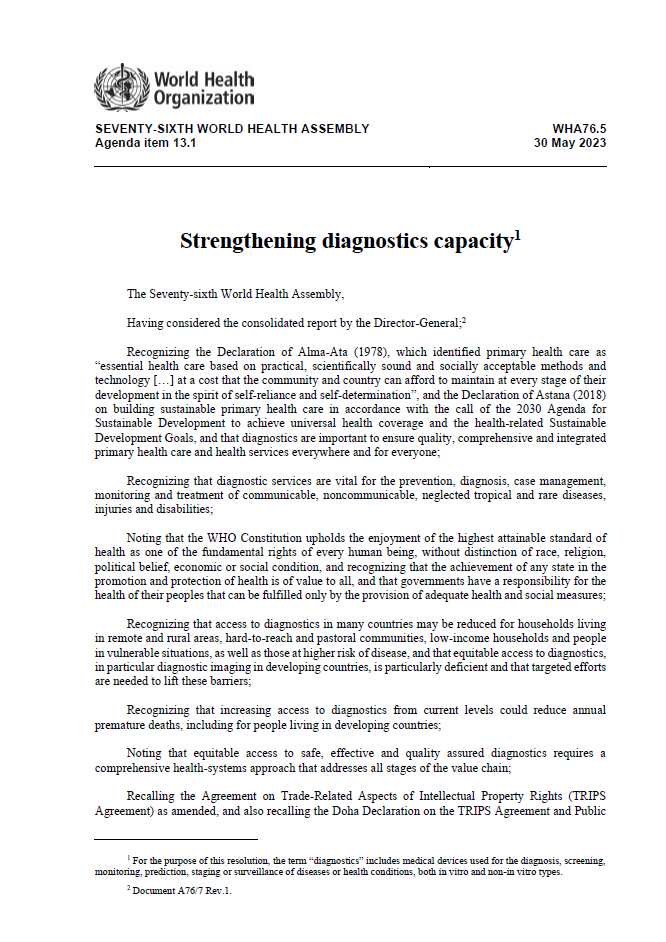
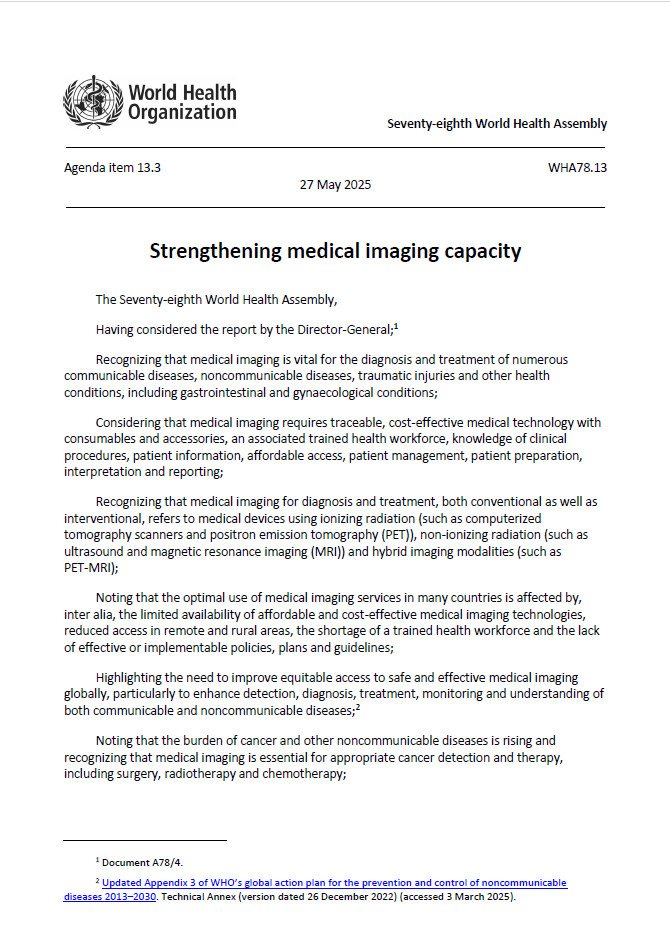
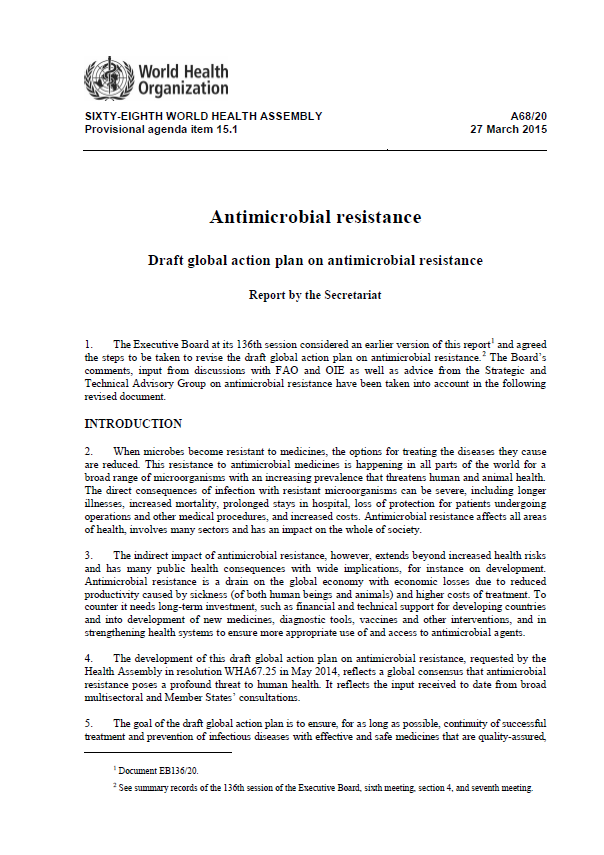
Its creation reflects a wave of global commitments on diagnostics: WHA76.5 (2023) on strengthening diagnostic capacity, the UN Political Declaration on AMR (2024), WHA78.13 (2025) on strengthening medical imaging capacity, the UN Political Declaration on NCDs and Mental Health (2025), and WHA79.9 (2026) on equitable access to diagnostic imaging through teleradiology. The GDC exists to help turn these commitments into sustained, country-led action.
The GDC is a connector and amplifier: it brings the diagnostics community together, supports shared advocacy, and helps make existing standards and solutions easier to champion and use.
Working groups
WG1
Bridging data and evidence gaps
WG2
Learning and knowledge sharing
WG3
Political prioritization and strategic advocacy
WG4
Primary health care and UHC integration
WG5
Workforce and quality systems
WG6
Products, supply chain and innovation
Governance and members
Steering committee
GDC member organizations
The steering committee comprises members appointed by WHO, representing a range of stakeholder groups, geographical regions and areas of expertise. It provides overall strategic direction for the work of the Coalition and supports the development and oversight of its work plan.
Steering committee (2025-2027):
The Steering Committee is chaired by WHO, with Dr Hedvig Hricak (International Society of Radiology) serving as Vice-Chair
- Africa Centres for Disease Control and Prevention (Africa CDC), Dr Yenew Kebede Tebeje, Head of Division, Laboratory Network and Systems
- Clinton Health Access Initiative (CHAI), Mr Trevor Peter, Senior Director, Global Diagnostics Team
- Economic Research Institute for ASEAN and East Asia (ERIA), Dr Antonio Fredelindo Dela Resma Villanueva, Senior Research Fellow
- Foundation for Innovative New Diagnostics (FIND), Ms Dorcas Mapondera, Chief of Staff and Head of External Affairs
- Gates Foundation (GF), Dr Maike Scharp, Deputy Director, Diagnostics
- Global Diagnostic Imaging, Healthcare IT & Radiation Therapy Trade Association (DITTA), Mr Felix Uedelhoven, Head of Government Affairs & Policy, GE Healthcare
- Global Medical Technology Alliance (GMTA), Mr Zach Rothstein, Executive Director, AdvaMed
- Institut Pasteur de Dakar (IPD), Dr Cheikh Tidiane Diagne, Head of Operations
- International Atomic Energy Agency (IAEA), Dr May Abdel-Wahab, Director, Division of Human Health
- International Federation of Biomedical Laboratory Science (IFBLS), Ms Marie Culliton, Board Member and Past President
- International Federation for Medical and Biological Engineering (IFMBE), Prof Marc Nyssen, IFMBE Focal Point to WHO
- International Society of Radiology (ISR), Dr Hedvig Hricak, Chair Emerita of Radiology, Memorial Sloan Kettering Cancer Center
- Médecins Sans Frontières (MSF), Ms Nathalie Ernoult, Head of Advocacy
- UNICEF, Dr Alexandre Costa, Chief, Health Technology Centre, Supply Division
For a list of current GDC member organizations, please click the button below:
Get involved
Why join?
The opportunity to contribute to a coordinated global effort to strengthen diagnostics capacity and improve access to diagnostics across health systems.
The Coalition is in a formative stage – this means members joining now have a direct hand in shaping its priorities and areas of work, including through engagement in initial working groups and collaborative activities.
Advocate for diagnostics access with a WHO-managed platform
Shape the Coalition's priorities and working groups at a formative stage
Connect with a global network spanning all stakeholder groups and regions
Who can join?
Membership is open to organizations actively engaged in diagnostics and contributing to public health, including:
- government technical agencies;
- United Nations agencies and intergovernmental organizations;
- nongovernmental organizations and civil society organizations;
- academic and research institutions;
- private sector entities and international business associations*; and
- philanthropic foundations.
*The private sector including international associations will be represented by constituencies, such that there will be 2 representatives per diagnostic technologies sector (i.e. 2 for medical imaging diagnostics and 2 for clinical laboratory diagnostics)
Ready to join?
Organizations interested in joining the Global Diagnostics Coalition are invited to complete the online application process.
Multilateral government and UN agencies may submit an expression of interest directly to the GDC Secretariat at gdxc@who.int.
Applications are accepted on a rolling basis and are reviewed periodically by the GDC Secretariat in accordance with eligibility criteria and WHO rules and policies.
Applicants are encouraged to review the Terms of Reference and prepare relevant documentation prior to submission.
Meetings

Upcoming:
Global Diagnostics Coalition: Driving collective action to close the diagnostic gap
World Health Summit — 13 October 2026, InterContinental Berlin, Germany
Past events:
25 May 2026 – Global Diagnostics Coalition members meeting
10 April 2026 – Global Diagnostics Coalition steering committee meeting
19 January 2026 – Global Diagnostics Coalition steering committee meeting
13 August 2025 – Global Diagnostics Coalition stakeholders meeting convened by WHO
21 May 2025 – Launch of the Global Diagnostics Coalition as a side event during the World Health Assembly
Resources